


Daughters of La Lune
historical fantasy
Series · historical fantasy
The Warlord Chronicles series by Bernard Cornwell has 3 books and is best read in publication order, starting with The Winter King (1995).
Start here: The Winter King (1995) — then read straight through in publication order.
The order the books were released — the default way to read the series.
The Warlord Chronicles is Bernard Cornwell's retelling of the King Arthur legend, stripped of magic and chivalric romance and rebuilt as gritty post-Roman history. The story is narrated decades after the fact by Derfel Cadarn, an aging monk and former warrior looking back on his youth as one of Arthur's sworn soldiers, and it reframes Arthur not as a crowned king but as a landless warlord holding fractured Britain together by force of will and force of arms while the rightful child-king Mordred grows into a wholly unworthy heir. Merlin appears as a scheming, half-mad pagan priest chasing the old gods' relics as Christianity spreads across the island; Guinevere is ambitious and politically dangerous rather than simply tragic; and the wars against the encroaching Saxons form a backdrop of constant, grinding violence rather than a single climactic battle.
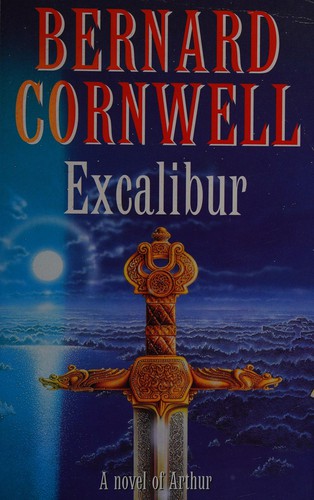
Across three novels — The Winter King, Enemy of God, and Excalibur — Cornwell traces Arthur's rise, his political and religious entanglements, and his eventual downfall, applying the same unglamorous battlefield detail and morally compromised heroism that define his Sharpe and Saxon Stories novels. It's widely regarded as one of the finest realist treatments of the Arthurian legend in modern fiction, appealing directly to readers who want the myth grounded in plausible Dark Age politics and warfare rather than fantasy.
Three: The Winter King (1995), Enemy of God (1996), and Excalibur (1997). Cornwell has not written any further installments.
Publication order, which is the only order: The Winter King, then Enemy of God, then Excalibur. It's a single continuous story narrated in sequence by Derfel, not a set of standalone entries.
No. It shares Cornwell's trademark unglamorous, ground-level battle writing with Sharpe and The Last Kingdom, but it's a self-contained Arthurian trilogy with no shared characters or setting.
It's historical fiction rather than fantasy — Cornwell deliberately strips out magic and supernatural elements, presenting Arthur as a landless 5th/6th-century warlord and reframing Merlin, Guinevere, and the Grail material through a realistic, political lens.
Yes. It's a complete trilogy with a definitive ending; Cornwell has never indicated plans to extend it further.
historical fantasy

young adult historical fantasy

historical fantasy

historical romance

fantasy
fantasy

historical romance

fantasy
Reading order last verified .